

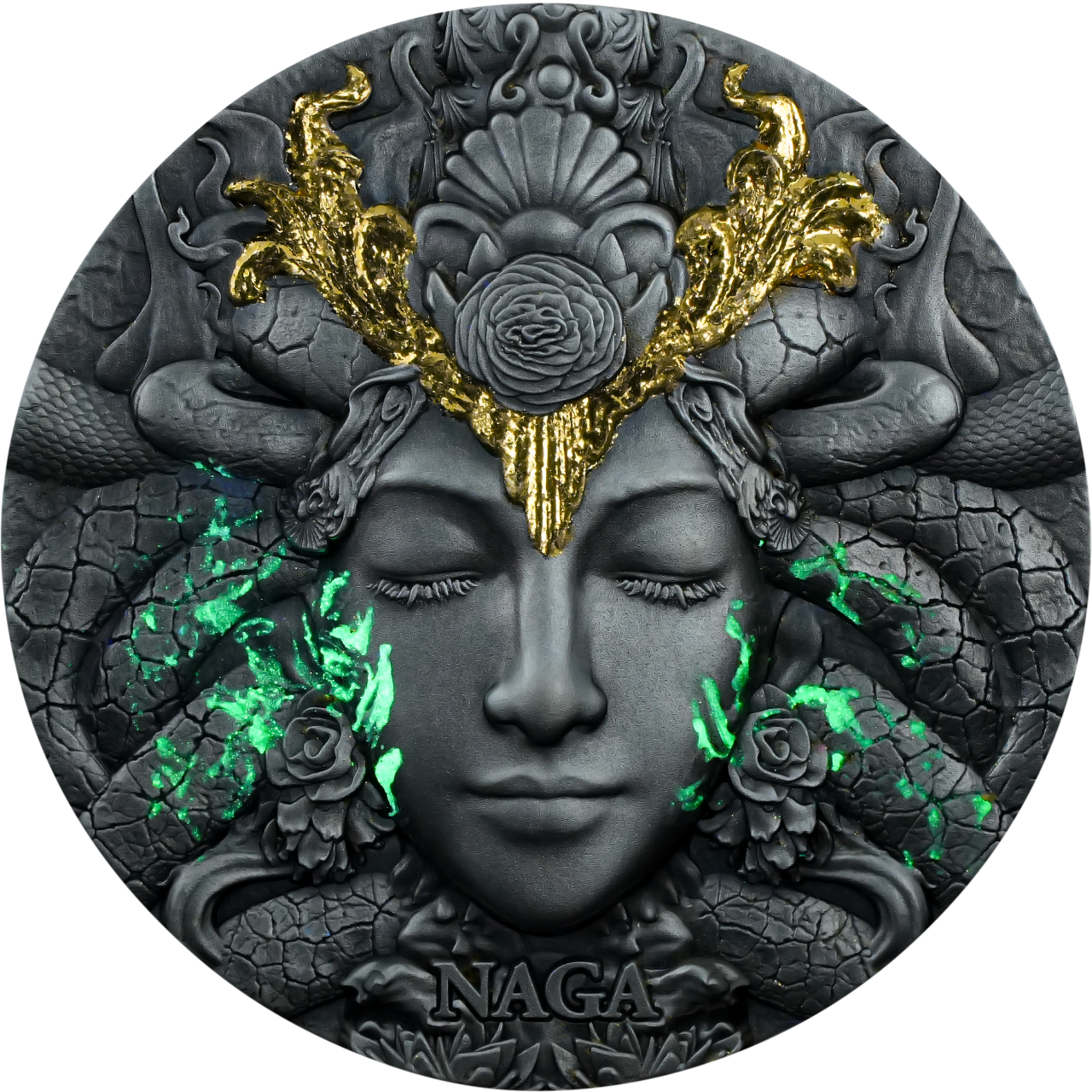
Naga

Specifications
Naga and Garuda: Timeless Myths Across Cultures Reimagined
The myths of Naga and Garuda span centuries, deeply rooted in Hindu, Buddhist, and Southeast Asian traditions. These beings are not mere characters of folklore but profound symbols of the universe—Naga, the serpent deity, representing wisdom, rebirth, and the earth’s power; Garuda, the celestial eagle, embodying freedom, strength, and the dominion of the skies.
Their eternal struggle—serpent against eagle—is a metaphor for the balance of opposites: earth and sky, chaos and order, light and darkness. By modernizing their forms into human-like embodiments, these designs bring ancient mythology into the present while preserving their timeless symbolism.
The Naga in Mythology
Hinduism: Guardians of the Earth and Waters
In Hindu mythology, the Nagas are divine serpents, both revered and feared. They dwell in the underworld, known as Patala, guarding treasures, wisdom, and rivers. The Nagas are shape-shifters, often depicted as part snake, part human, signifying a duality—earthly guardians yet divine beings.
- Ananta Shesha, the cosmic Naga, forms the eternal bed of Lord Vishnu, symbolizing the infinite cycle of creation and destruction.
- Vasuki, another king of Nagas, lends his immense body as a rope during the churning of the cosmic ocean to produce Amrita(nectar of immortality).
Their serpentine presence is also deeply tied to fertility and renewal—snakes shedding their skin represent rebirth and transformation.


